It turns out, there might be some justice for school teachers, who have the dubious distinction of playing a vital role in society while earning a comparatively low annual income.
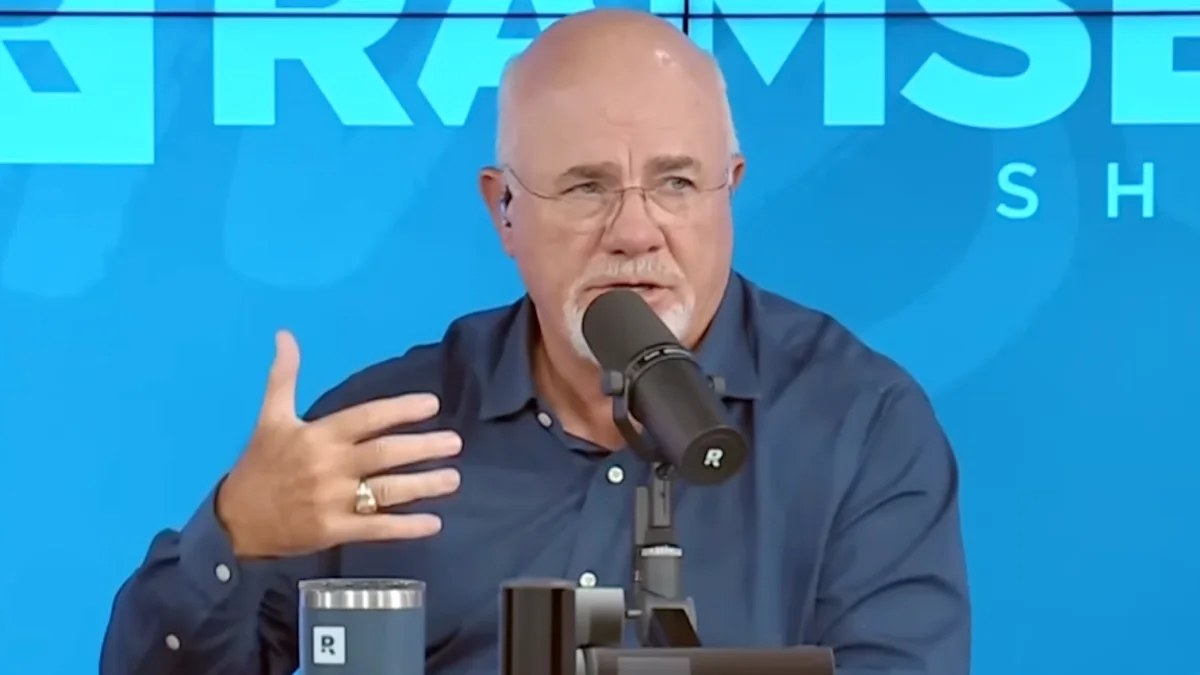
That justice comes in the form of the millions of dollars that many of them consistently hold in their savings and investment accounts, according to the National Study of Millionaires, a research project by personal finance expert Dave Ramsey's company, Ramsey Solutions (1).
JPMorgan still sees gold hitting $5,000/oz by Q4 — and savvy investors are protecting their wealth with a tax-advantaged Gold IRA. Learn more with a free guide from Priority Gold
The tax breaks in Trump's 'big beautiful bill' expire after 2028 — and experts say most people won't act in time. What to do before the window closes
In an interview with podcaster Theo Von back in 2024, Ramsey explained that teachers ranked third, behind engineers and accountants (2). In fourth and fifth? Working in business or management and being an attorney.
So how can it be that teachers are frequently millionaires, while earning an average annual income of $72,030 according to the National Education Association, and yet physicians don't even rank in the top five (3)?
Ramsey's top five list came from a survey of 10,000 millionaires. The majority — 79% — had not received an inheritance. Eight out of 10 had invested in a 401(k) plan, and most millionaires surveyed didn't have high-salary jobs. Instead, three out of four said they'd created wealth simply by working hard.
Ramsey's assessment was blunt: "You can't outearn stupidity." Since then, he's doubled down, and there's plenty to learn for those willing to take notes — and it starts with a written plan (4).
They might not work at high-paying jobs, but Ramsey's survey found that millionaires are an educated bunch, with 88% having graduated from college. However, only 8% attended elite schools, and 52% earned a postgraduate degree.
What they all have in common is the steadfastness to invest in the long term and stick with it. One of the key aspects of this is steady investments over decades, not just in the run up to your retirement. Making sure to set a little aside every month can scale your wealth massively in the ten years leading up to a traditional retirement, which is when compound interest really takes off.
But if you're struggling to build this habit, or just want to invest more day to day, there are easy ways to get going.
For example, Acorns — an automated saving and investing app — can help make securing your financial future become second nature.
How it works is simple: Acorns rounds up each purchase on a linked debit or credit card to the nearest dollar. Then, it invest the difference in a low-risk portfolio of ETFs. That way every purchase becomes an investment in your future, including that morning coffee for $3.50 on the way to work.
But steady investing is just one good habit from this group of unexpected millionaires.
They're also methodical shoppers: 85% of respondents use a grocery list. Nearly a third (28%) always stick to their list, while 57% sort of stick with it.
A surefire way to increase the odds you'll make a list and actually stick to it is by preparing a budget. Although doing that on your own is possible with a spreadsheet, it's often easier to work with specialists.
By linking your credit card accounts, you can monitor your payment progress in real-time and set specific goals to free up more money for investing, a much needed vacation or a college fund — to name just a few options..
Now that you know where your money is going and are building good investment habits, it could be a good time to fully embrace a systematic lifestyle — something Ramsey agrees with.
"They are systems people — they work with a set of principles and they don't have free rein to make up their own rules," Ramsey said. "Teachers have a lesson plan they have to follow."
Part of that planning is being ready for the unexpected and having contingencies in place. When life throws you a curveball, or an eraser, it's good to have somewhere to go.
That's where emergency funds come in. Like with investing in stocks, or budgeting, attention to detail and regularity is key. When it comes to having cash on hand, many investment experts recommend between three and six months to weather a short term storm.
A high-yield account like a Wealthfront Cash Account can be a great place to grow your uninvested cash, offering both competitive interest rates and easy access to your money when you need it.
A Wealthfront Cash Account currently offers a base APY of 3.30% through program banks. New clients can get an extra 0.75% boost during their first three months on up to $150,000 for a total variable APY of 4.05%.
That's 10 times the national deposit savings rate, according to the FDIC's June report.
Additionally, Wealthfront is offering new clients who enable direct deposit ($1,000/mo minimum) to their Cash Account and open and fund a new investment account an additional 0.25% APY increase with no expiration date or balance limit, meaning your APY could be as high as 4.30%.
Once your emergency fund is in place you'll also be able to continue investing without having to tap into your savings and risking a taxable event, or being forced to withdraw at a down point in the market.
There's more to your job than a paycheck
Ramsey's advice for picking your career? "Do something you love, and find a way to do it in an unusual way. If you're a teacher, it doesn't necessarily mean you're in a classroom." He explained that there are ways to follow your dream while building a stable financial lifestyle.
It's likely that teachers love their jobs, and they've figured out a way to create a lifestyle to support their work — not the other way around.
"Don't pick your career based on how much money you can make only," Ramsey said.
"Also, don't pick a career that says you will be happy but broke. That won't work either. You should make more money if you are doing something you love, because you are good at it, you care about it, and you are creative and you have energy. You should make more money, not less."
You don't need to be bringing home a huge paycheck to forge a solid financial future. As long as you manage your money purposefully, you can build up your wealth. And a financial advisor can help you crunch the numbers to build a plan that works. This is even more true as you approach retirement with a (hopefully) healthy nest egg.
If you have a portfolio of $250,000 or more, platforms like WiserAdvisor can connect you with vetted professionals who specialize in this kind of planning.
Simply answer a few questions about your savings, retirement timeline and overall investment portfolio.
From there, WiserAdvisor reviews its network to match you — for free — with up to three vetted, reputable advisors aligned with your specific needs.
WiserAdvisor is a matching service and does not provide financial advice directly. All matched advisors are third parties, and specific financial results are not guaranteed.
Avoid costly professions that land you in debt
You might be surprised that many high-paid professions — like physicians — didn't make Ramsey's top five list.
But the average medical school debt in 2025 is $216,659, and 30% of physicians expect to take more than 10 years to pay it off, according to the Education Data Initiative (5).
This means doctors can miss out on years of investing as they work towards establishing themselves and eventually commanding a big salary.
Although high paying jobs may seem appealing, they can often come with two major downsides: debt and time. Losing out on significant periods of savings, plus lost hours for friends and family, might just not be worth the cost — especially if millionaire status is in sight with other more personally fulfilling work.